

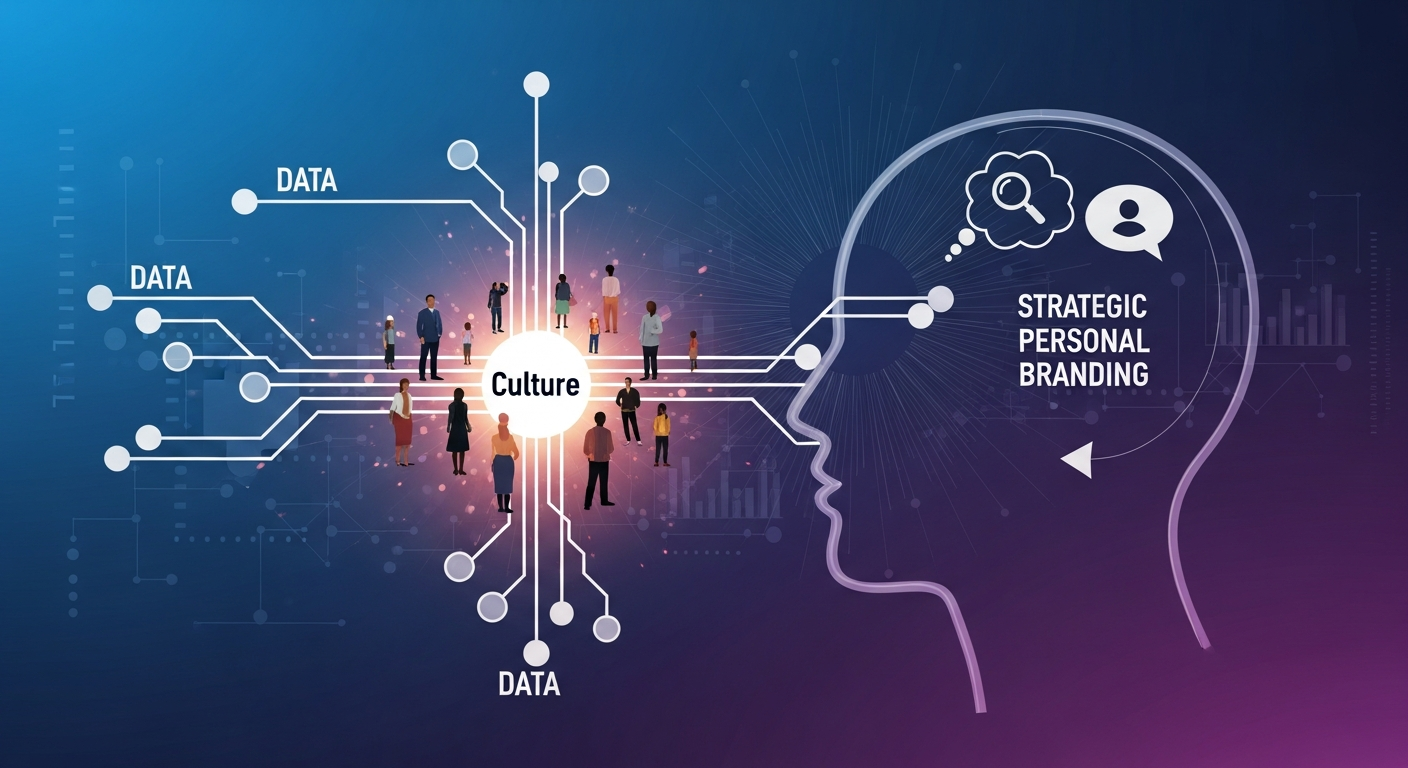
Mastering Modern Business Strategy: Data, Culture, and Strategic Personal Branding
The evolution of modern business strategy has moved beyond intuition, landing firmly in the realm of evidence-based execution. To thrive in a volatile market, organizations and professionals must now synthesize data-driven insights, cultural alignment, and strategic personal branding to create a cohesive value proposition that resonates with both internal stakeholders and external audiences.
Precision Through Data-Driven Decision-Making
Data-driven decision-making (DDDM) has transitioned from a competitive advantage to a fundamental requirement for survival. Research indicates that organizations leveraging structured data are significantly more likely to make strategic decisions faster and with greater agility than their competitors. This shift is further accelerated by the integration of Artificial Intelligence (AI) and Large Language Models (LLMs) into strategic frameworks. For a deeper understanding of advanced applications, explore topics like Autonomous Financial AI: From Trading Bots to Intelligent Ecosystems. By moving from theoretical applications to quantitative performance metrics, businesses can now refine their Unique Selling Points (USPs) with surgical precision. Understanding the advantages of data-driven decision-making allows leaders to move away from guesswork, utilizing predictive analytics to ensure their market responsiveness is both proactive and evidence-based.
The Quantifiable Impact of Culture and Leadership
While data provides the roadmap, organizational culture provides the fuel. Cultural alignment is no longer viewed as a “soft” metric but as a quantifiable driver of success. Research into organizational dynamics demonstrates that understanding why diversity and inclusion matter extends far beyond social responsibility; it is a core component of effective recruitment and talent retention. Diverse organizations consistently report superior performance outcomes by fostering environments where inclusive HR practices are the norm. To bridge the gap between technical competency and cultural cohesion, organizations are increasingly applying theory-informed leadership frameworks. These strategies aim to maximize the Return on Investment (ROI) of leadership development, ensuring that internal culture remains a robust support system for the brand’s external promises.
Strategic Personal Branding and Achievement Mapping
In the professional sphere, the transition from a task-based identity to an achievement-based brand is essential for market leadership. Applying strategic marketing principles—specifically the delivery of valuable, relevant, and consistent information—allows professionals to attract a defined audience and establish authority. Utilizing specific professional platforms effectively, such as applying techniques from Master LinkedIn SEO: Keyword Strategy for Recruiter Views, enhances visibility. By utilizing rigorous strategy frameworks similar to those used by top-tier consultancies like McKinsey, individuals can map their specific professional achievements to ROI-centric outcomes. This method of personal branding requires a synthesis of proven public relations insights and the quantification of individual contributions. When professionals move beyond describing their responsibilities and begin quantifying their impact on the organizational bottom line, they transform their personal brand into a powerful tool for career longevity and organizational influence.

Leave a Reply